AidReality.com


About AidReality.com
Welcome to our website dedicated to exploring the reality of aid and charity. With so many organizations and initiatives claiming to do good in the world, it can be difficult to know what impact our donations and support are actually having. That's why we've created this platform as a space for critical analysis and discussion of the aid and charity sector. We aim to provide insights into the complexities of aid and development work, the challenges faced by those on the ground, and the ethical considerations that must be taken into account. We focus on the impact and distortion media can have on aid, and how it can limit aid going to those in need. Through this site, we hope to inspire informed giving and a deeper understanding of the realities of aid and charity.
Check out our twitter account @AidReality and our blog featured on this website
 |  |  |  |
|---|---|---|---|
 |  |  |  |
Our Aims
To help the understanding of the Reality of Aid, the complex politics behind it, and where it goes. Both international and right on our doorstep.

Advocacy, risk of corruption
Ensuring that All Voices are Heard
One of the biggest challenges with aid is ensuring that it reaches those who need it the most. Corruption, bureaucracy, and political instability can all make it difficult for aid to be distributed fairly and effectively. In some cases, aid may even be siphoned off by corrupt officials or stolen by armed groups. This means that aid organizations need to be very careful about who they work with and how they distribute resources
Issues When Aid Arrives
It is far from simple
Another challenge is making sure that aid is actually helpful in the long term. For example, providing food aid during a crisis can be essential in the short term, but it may not help address the underlying issues that led to the crisis in the first place. Similarly, building a school or hospital in a developing country may be seen as a positive step, but if the local community is not involved in the planning and implementation process, the project may not be sustainable in the long run.
Another challenge is ensuring that aid is culturally appropriate. This means taking into account local customs, traditions, and beliefs when designing aid programs. For example, in some cultures, it may be inappropriate for men to distribute aid to women, or for women to work outside the home. Aid organizations need to be sensitive to these cultural norms and work with local communities to ensure that aid is distributed in a way that is respectful and appropriate.

When You Donate, Where Does Your Money Go?
Charities often come into scrutiny as to how much of their donations are actually put purely towards aid, and truthfully, many large corporations are often somewhat secretive.
And there is reasoning behind the hesitation as it is difficult to understand where the aid actually goes, as in the vast majority of cases, every charity uses the money differently.
When you donate to a charity, your funds will typically be used to support the organization's mission and objectives. Charities have a responsibility to use donated funds in a transparent and accountable manner, and they are typically required to provide financial reports and other documentation that outlines how donated funds are used.
The allocation of donated funds will depend on the specific goals and priorities of the charity. Some charities allocate a portion of donated funds towards administrative and operational costs, such as salaries, rent, and other overhead expenses. This is necessary to ensure that the charity has the infrastructure and resources needed to effectively manage its programs and services.
The majority of donated funds are typically allocated towards the charity's programs and services. These may include direct aid to individuals or communities in need, advocacy and awareness campaigns, research and development, or other initiatives that align with the charity's mission. Charities often prioritize their programs and services based on the level of need in the community they serve, as well as their own capacity to effectively manage and deliver these services.
It is important for donors to research charities before making a donation to ensure that their funds are being used effectively and efficiently. Some charities may have higher overhead costs than others, which can impact the amount of funding that goes towards their programs and services. Donors can consult independent charity evaluators and financial watchdog organizations to learn more about a charity's track record, financial stability, and effectiveness in achieving its objectives.
In summary, when you donate to a charity, your funds will typically be used to support the organization's programs and services, as well as its administrative and operational costs. It is important for donors to research charities and ensure that their funds are being used effectively and efficiently to achieve the organization's mission and objectives.

Volunteering
Be a Force for Good

Planning a Fundraiser
Be Part of Something Great

Donating
Foodbanks are so important

Featured Case Study: The People of the State of Palestine.
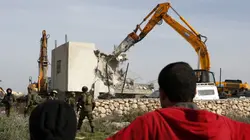
Over 1.5million Palestinians are in refugee camps, with many more facing extreme oppression daily, with every day being a fight for survival. Yet aid is so difficult to get to them. In this case study we try understand why.
The political relationship between Western countries and Israel has long been a contentious issue, and this has had a significant impact on aid delivery to Palestine. Many Western governments have strong ties to Israel and may prioritize their relationship with Israel over providing aid to Palestinians. This can result in aid being delayed or restricted, as governments may be hesitant to provide support that could be seen as supporting the Palestinian cause. Additionally, the political situation in Palestine can make it difficult for aid organizations to operate, as restrictions on movement and access can hinder aid delivery. Furthermore, aid organizations may face challenges in navigating complex legal and administrative frameworks that regulate aid delivery in the region. Despite these challenges, there are many aid organizations that continue to work tirelessly to provide much-needed support to Palestinians, often working in difficult and dangerous conditions to reach those in need. While politics can create obstacles to aid delivery in Palestine, it is essential that humanitarian needs are prioritized, and that aid organizations are supported in their efforts to provide assistance to those who need it most.
In this situation, awareness within the Western world is just as important to Palestine as aid is, their voice is loud, it is just that the Western World has their fingers in their ears.
Some of the hard working charities for Palestinians
1992
Palestine Children's Relief Fund
Voluntary organisation based on the Gaza strip prioritising the construction of pediatric centres. Thousands of children have received aid
1978
United Palestine Appeal
35 years of work. Their prioritisation has moved to ensuring the essential refugee camps are in the best condition possible. Trying anything to attempt to 'normalise' life for those there.
2015
Friends of Palestine
Scottish formed charity, originally made for and by Palestinian refugees residing in Glasgow but now outreaches to 'providing aid and assistance to help alleviate poverty around the world'.
Help needed at Home
The need for local charities is significant as they provide support to communities that might not receive adequate government funding or resources. However, the reality behind local charities is that they often struggle with limited resources and funding, making it challenging to meet the ever-increasing demands for their services. Local charities must compete with larger organizations for limited funding opportunities, and they often rely heavily on donations from the public to continue operating. Furthermore, local charities face a range of logistical and administrative challenges, such as managing volunteers and ensuring that donated funds are used effectively. Despite these challenges, local charities play a vital role in supporting the most vulnerable members of society and promoting social and economic well-being in their communities. As such, it is crucial to recognize and support the work of local charities to ensure that they can continue providing essential services to those in need.
Contact
One of the most prominent and serious issues in the world of aid right now is on the Gaza Strip